
3 Key Reasons Why OCD Gets Worse at Night: Expert Insights
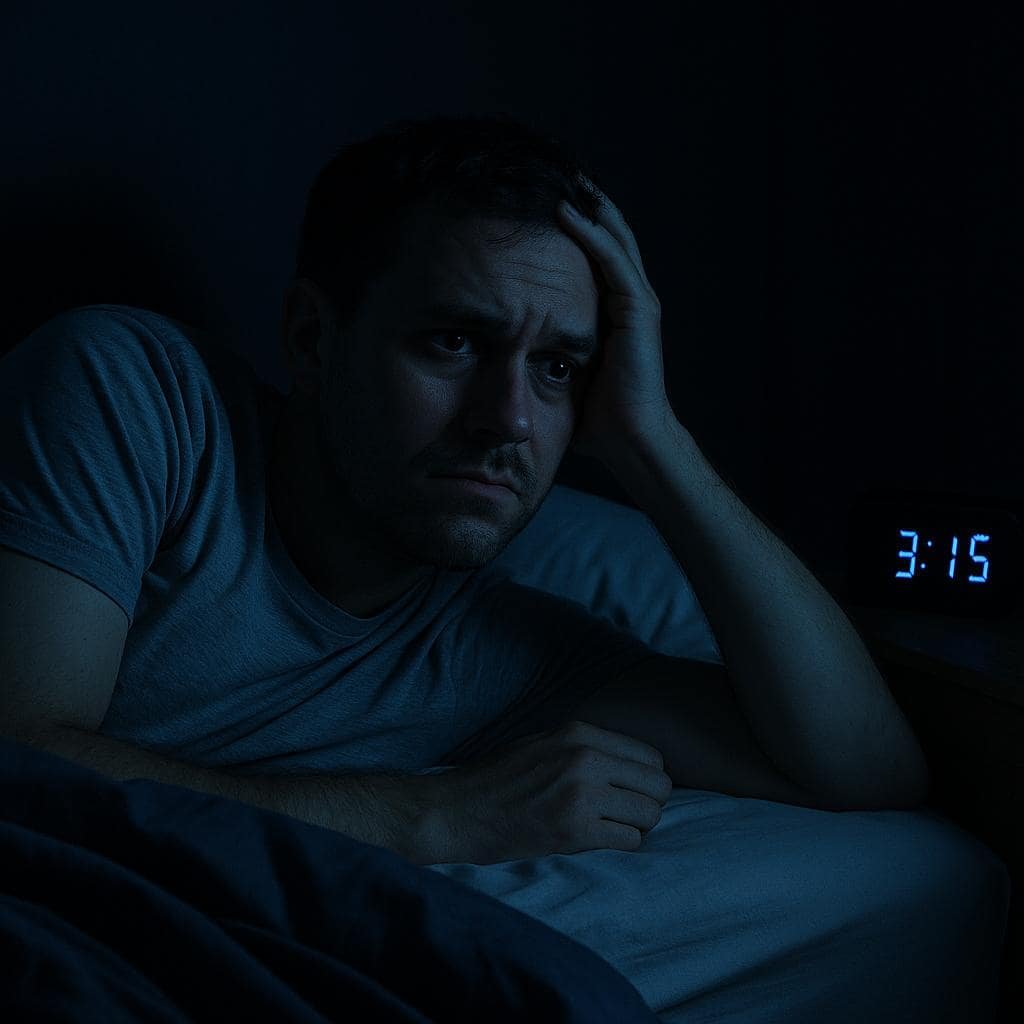
Picture this. It’s 2 AM, and you’re lying in bed, exhausted but wide awake. Your mind is racing through every conversation from today, checking and rechecking whether you locked the front door, or replaying that moment when an intrusive thought popped up. Sound familiar?
Here’s what I see all the time in my clinic here in Edinburgh. Clients come in telling me, “Federico, my OCD is manageable during the day, but the moment I try to sleep, everything falls apart.” And honestly? They’re absolutely right to feel this way.
I’m Federico Ferrarese, a cognitive behavioural therapist specialising in OCD treatment, and I’ve witnessed this pattern countless times. The research backs up what I observe daily—over 42% of people with OCD struggle with insomnia and sleep disturbances. Even more telling? Nearly half of all OCD patients report significant sleep problems, and people with OCD are almost seven times more likely to develop insomnia compared to everyone else.
But here’s the thing. This isn’t just about OCD making sleep difficult. It works both ways. Poor sleep actually makes OCD symptoms worse, creating what I call a nighttime battleground instead of the rest you desperately need.
The good news? This vicious cycle can be broken. I’ve helped dozens of clients reclaim their nights, and I’m going to show you exactly how OCD hijacks your evenings and what you can do about it.
Let’s dive in.
Spotting the Warning Signs: When OCD Takes Over Your Nights
The other day, a client sat in my office and said something that stuck with me. “Federico, I can handle my OCD during the day. But the moment I get into bed, it’s like my brain turns into this relentless checking machine.”
Honestly, I hear this so often. Nighttime OCD flare-ups have distinct patterns, and once you know what to look for, you can start catching them before they spiral out of control.
What Makes OCD Suddenly Spike?
Stress is the biggest culprit. When life throws you curveballs—even good ones like getting married or landing a new job—your brain’s alarm system goes haywire. The urge to do compulsions becomes almost impossible to resist.
But here’s where it gets tricky. Sleep deprivation creates its own vicious cycle. Poor sleep makes OCD symptoms worse, and guess what? OCD symptoms make it harder to sleep. It’s like being trapped in a feedback loop that researchers struggle to untangle.
Hormones play a massive role, too, especially for women. Research shows that OCD often spikes during hormonal changes—menstrual cycles, pregnancy, and childbirth. The shifts in oestrogen and progesterone can send symptoms through the roof.
Other mental health conditions make everything worse. Depression, anxiety, and ADHD—they all lower your ability to cope and make compulsions feel more urgent.
How Long Will This Last?
You know what clients ask me most? “How long will this flare-up go on?”
The truth? It varies wildly. Some people bounce back in 12-72 hours. Others might struggle for 3 to 14 days. Severe episodes can drag on for 2-12 weeks.
Here’s what I tell my clients. If you can tackle the stress quickly, you’ll recover faster. But if stressful situations keep piling up, expect the flare-up to stick around longer. Everyone’s different—there’s no magic timeline.
Red Flags That Your Nights Are Getting Hijacked
The first warning sign? You can’t fall asleep. Your mind starts racing the moment your head hits the pillow. Those intrusive thoughts that you managed to handle during the day suddenly feel overwhelming.
Then come the rituals. You find yourself checking the front door five times instead of once. Everything needs to be arranged just so before you can even think about sleeping. Mental reviewing kicks in—replaying every conversation from the day, making sure you didn’t say anything wrong.
Here’s what really disrupts everything. You finally fall asleep, then wake up at 3 AM with this urgent feeling that you need to check something. Before you know it, you’re up doing compulsions instead of sleeping.
The “what if” thinking becomes relentless. Without daytime distractions, your mind gets stuck in these endless loops of worry. What if I forgot to lock the door? What if that thought means something terrible? What if I don’t sleep, and tomorrow is ruined?
Can you see how these patterns build on each other?
Why Your Brain Won’t Switch Off at Night
Your brain at night is like a security guard who can’t clock out. While the rest of your body winds down, your mind goes into hypervigilance mode, scanning for threats that aren’t really there.
Here’s the truth. The quiet of the night creates the perfect storm for OCD symptoms. Without daytime distractions drowning out the mental chatter, OCD thoughts find space to expand and multiply.
The Role of Intrusive Thoughts
Think about it this way. During the day, your brain juggles work calls, conversations, traffic, and a hundred other tasks. These distractions act like noise-cancelling headphones for intrusive thoughts. But the moment you lie down? Silence. And that’s when OCD strikes.
I’ve had countless clients tell me, “Federico, the thoughts come out of nowhere the second my head hits the pillow.” It’s not a coincidence. Your brain naturally processes unresolved issues during rest periods. For most people, this means dreaming or gentle reflection. For those with OCD? It becomes a relentless parade of worst-case scenarios.
These nighttime thoughts typically centre around your deepest fears—harm coming to loved ones, making terrible mistakes, contamination. The themes vary, but the mechanism stays the same: your brain’s threat detection system goes into overdrive when it should be powering down.
What makes this particularly cruel is the resistance paradox. The harder you try to push intrusive thoughts away, the stronger they become. Resistance actually strengthens the neural pathways associated with these thoughts, making them more likely to return. It’s like telling someone not to think about a pink elephant—suddenly, that’s all they can think about.
Many clients describe it as being “stuck in a loop.” The same distressing thoughts play on repeat, creating mounting anxiety that floods your nervous system with stress hormones—precisely the opposite of what you need for sleep.
Mental Reviewing and Perfectionism
Picture this scenario. You’re lying in bed, exhausted, when suddenly your brain becomes a detective, cataloguing every conversation and interaction from the day. Did you say something wrong? Did you forget to lock the door? What about that email you sent—was the tone too harsh?
This mental reviewing is perfectionism’s nighttime playground. Your mind searches relentlessly for potential mistakes or moral failures, creating what I call “bedtime courtroom sessions” where you’re both prosecutor and defendant.
People with OCD often tell me they need to replay conversations until they feel “just right.” But here’s the problem—that feeling rarely arrives. Instead, the reviewing continues endlessly, creating a state of hyperarousal that makes sleep impossible.
Perfectionism doesn’t stop at past events. Many clients feel compelled to plan future scenarios with impossible precision, trying to prevent any potential harm or negative outcomes. Your brain becomes trapped, creating countless “what if” scenarios, each one demanding a perfect solution.
Even worse? Perfectionism hijacks sleep itself. Thoughts like “I must get perfect sleep or tomorrow will be ruined” create pressure that makes natural rest nearly impossible. Bedtime transforms from restoration into another arena where you must perform flawlessly.
OCD Fear of Not Sleeping
Now here’s where things get really twisted. OCD creates a fear of not sleeping—what sleep specialists call “insomnia anxiety.” Your mind starts catastrophising about the consequences of sleeplessness.
“If I don’t sleep, I won’t function tomorrow.” “This will damage my health permanently.” “I’ll make terrible mistakes because I’m tired.” These thoughts trigger immediate physiological arousal—racing heart, tense muscles, flooding stress hormones. Your body prepares for a threat when it should be preparing for rest.
It becomes a self-fulfilling prophecy. The more you worry about not sleeping, the less likely sleep becomes. You start monitoring your own consciousness, checking whether you’re falling asleep yet—a hyperaware state completely at odds with the gentle letting go that sleep requires.
For those with OCD, this connects to deeper fears about losing control. Sleep represents surrendering conscious control, which feels threatening when OCD has created rigid systems for managing anxiety. The result? A mind that refuses to power down, constantly checking and rechecking for threats even as exhaustion mounts.
I see this pattern constantly. Clients arrive in my Edinburgh clinic saying, “I’m so tired, but my brain just won’t stop.” They’re not being dramatic—their neural alarm system literally won’t disengage.
This explains why traditional sleep advice falls flat for people with OCD. “Just relax” becomes impossible when your brain’s security system is stuck in crisis mode. But effective strategies do exist for breaking this cycle, and that’s exactly what we’ll explore next.
The Vicious Cycle of OCD and Poor Sleep
Here’s what I’ve learned after years of treating OCD. The relationship between OCD and sleep isn’t just one-way traffic. It’s more like two people in a toxic relationship, each making the other worse.
Let me explain what I mean.
How OCD Steals Your Sleep
You know that feeling when your head finally hits the pillow and suddenly your brain decides it’s showtime? That’s OCD taking advantage of the quiet. Without all the daytime distractions, intrusive thoughts have nothing competing for your attention. They become louder, more persistent, and impossible to ignore.
Then come the bedtime rituals. I’ve had clients who spend two hours checking locks, arranging objects, or mentally reviewing their entire day before they can even attempt sleep. One client told me, “Federico, by the time I finish all my checking, I’m so wired I couldn’t sleep if I wanted to.”
The mental reviewing is brutal, too. Your brain becomes this relentless prosecutor, replaying every conversation, every interaction, searching for evidence that you did something wrong. Did I say the right thing? Did I offend someone? What if that thought I had means something terrible about me?
This hyperarousal is the exact opposite of what your nervous system needs for sleep.
How Poor Sleep Feeds OCD
But here’s where it gets really tricky. Sleep deprivation doesn’t just make you tired—it makes your OCD symptoms significantly worse.
Think of your brain’s frontal lobe as your internal bodyguard. When you’re well-rested, it can step in and say, “That’s just an intrusive thought. We don’t need to pay attention to it.” But when you’re exhausted? Your bodyguard is basically asleep on the job.
Dr. Patrick McGrath puts it perfectly: “Some people find that the more tired they get, the worse OCD is because it’s harder to deal with it, or fight it, or to just be able to accept it and move on”. Without adequate rest, those intrusive thoughts become stronger and much harder to dismiss.
Sleep loss affects your decision-making, your focus, your emotional regulation—all the mental resources you need to manage OCD effectively. You’re essentially trying to fight your biggest battles with one hand tied behind your back.
The Feedback Loop That Traps You
This is where things get really frustrating. Poor sleep worsens OCD symptoms, which makes it harder to sleep, which worsens OCD symptoms… You see where this is going.
Research shows this feedback loop is very real. Poor sleep quality directly correlates with more severe obsessive-compulsive symptoms. What’s fascinating is that depression and anxiety actually act as the bridges in this relationship—they’re the connecting pieces that turn this into such a vicious cycle.
Picture it like this: OCD disrupts your sleep, exhaustion makes your brain’s alarm system more sensitive, anxiety and depression amplify everything, and suddenly, a small, intrusive thought feels like a five-alarm fire.
Breaking the Cycle
But here’s what gives me hope in my clinical work. This cycle can be broken at any point. Improve your sleep, and your OCD symptoms often improve too. Address your OCD symptoms effectively, and your sleep typically gets better.
I’ve seen clients transform their lives by targeting both issues simultaneously. Instead of a vicious cycle working against them, they create what I call a virtuous cycle—better sleep leads to better OCD management, which leads to even better sleep.
The key is understanding that you don’t have to fix everything at once. Small improvements in either area can start the positive momentum rolling.
How to Stop Thinking When You’re Trying to Sleep
Right. You’ve identified the problem—your brain won’t switch off. Now let’s fix it.
I’ve taught these techniques to dozens of clients, and they work when you actually use them. The key? Pick one or two that feel manageable rather than trying everything at once.
Thought-Blocking Techniques That Actually Work
Articulatory suppression is my go-to recommendation. Mouth a neutral word like “the” or “pah” about 3-4 times per second. This engages the mental resources that intrusive thoughts need, effectively blocking them. It sounds odd, but it works.
Imagery distraction can be powerful, too. Immerse yourself in a detailed, calming scenario—a peaceful garden, a beach, wherever feels safe. Focus on every sensory detail: what you see, hear, and smell. Just avoid exciting scenarios that might stimulate your mind further.
Stop Ruminating Before It Starts
Here’s a game-changer. Schedule 15 minutes of “worry time” earlier in the day. When nighttime rumination kicks in, remind yourself: “I’ll process this tomorrow at 3 PM”. It sounds simple, but postponing worry really works.
Try writing down your thoughts instead of engaging with them. This creates psychological distance—suddenly the thought exists on paper, not just in your head.
For persistent rumination, use the “Chairperson of the Mind” technique. Give each ruminating voice a name, assume positive intent, let it speak for 1-2 minutes, summarise what you heard, then move on. Think of it as hosting a very brief, very boring meeting with your anxious thoughts.
Breathing and Body-Based Techniques
Mindfulness meditation for just 5-10 minutes before bed trains your brain to stay present . This redirects focus from past events or future worries back to the here and now.
Deep breathing activates your parasympathetic nervous system, which slows your heart rate and reduces stress. When your body relaxes, your mind often follows.
Digital Boundaries That Matter
Cut screen time 1-2 hours before bed. The blue light disrupts melatonin production, affecting sleep quality . More importantly, screens keep your nervous system in a reactive state—exactly what you don’t need when OCD symptoms are already heightened.
Your Sleep Environment
Keep your bedroom clutter-free to minimise visual triggers for OCD. Control temperature and lighting. Consider using white noise to mask distracting thoughts.
Consistent sleep and wake times regulate your body’s internal clock . Limit caffeine and heavy meals before bedtime—your sleep quality will thank you.
These aren’t magic bullets, but they’re tools that work when you use them consistently. Start with one technique tonight.
Breaking Free: Long-Term Solutions That Actually Work
Quick fixes won’t cut it here. Nighttime OCD needs a proper plan—one that tackles the root causes, not just the surface symptoms. I’ve seen too many clients try everything from herbal teas to meditation apps, only to find themselves back at square one.
Here’s the truth. Lasting change requires the right combination of professional treatment, targeted strategies, and ongoing support. Let me walk you through what actually works.
ERP Therapy: The Gold Standard for a Reason
Exposure and Response Prevention isn’t just another therapy buzzword. It’s the most effective treatment we have for OCD, period.
Here’s how it works. You gradually face your fears without performing compulsions. Sounds terrifying, right? That’s exactly the point. During treatment, we confront triggering thoughts or situations while you learn to tolerate the anxiety that comes up. Studies consistently show that ERP reduces OCD symptoms by addressing exactly what drives those nighttime flare-ups.
Most people need 8-20 sessions for mild OCD, though severe cases require longer courses. I often recommend group ERP therapy because it reduces dropout rates and gives you a chance to learn from others facing similar struggles. What’s powerful about combining ERP with cognitive strategies is how it challenges those distorted beliefs that fuel nighttime obsessions.
Think of it this way. ERP doesn’t eliminate anxiety—it teaches your brain that you can handle it. That’s the difference between quick relief and lasting freedom.
When Medication Makes Sense
Sometimes therapy alone isn’t enough. Medication becomes necessary when OCD symptoms are particularly severe or when therapy hasn’t provided adequate relief.
SSRIs remain our go-to option. They work by increasing serotonin levels in your brain, which helps regulate mood and reduce obsessive thoughts. About 7 out of 10 people with OCD benefit from either medication or ERP therapy. For those who respond well, symptoms typically reduce by 40-60%.
Common options include:
- Fluoxetine (Prozac) for adults and children 7+
- Sertraline (Zoloft) for adults and children 6+
- Fluvoxamine (Luvox) for adults and children 8+
Here’s what you need to know. Treatment generally requires 10-12 weeks before you see improvement, and many people need medication for years or even lifelong. It’s not a quick fix, but it can be life-changing when used appropriately.
Sleep-Supporting Lifestyle Changes That Matter
Small changes, big impact. That’s my philosophy when it comes to supporting better sleep alongside OCD treatment.
Keep consistent sleep and wake times—your body’s internal clock depends on it. Limit screen time before bed because blue light disrupts melatonin production. Create a sleep environment that’s cool, dark, and quiet.
Regular exercise promotes better sleep, just not too close to bedtime. Some people find supplements like melatonin or valerian root helpful, though always consult your doctor first.
These aren’t miracle cures. But they create the foundation that allows other treatments to work more effectively.
The Power of Connection: Support Groups and Therapy Options
You don’t have to do this alone. Support groups offer something unique that individual therapy can’t provide.
Meeting others with similar experiences reduces isolation while giving you practical coping strategies from people who truly understand. These groups work brilliantly as additions to individual therapy or as part of preventing relapse.
Treatment groups, led by qualified mental health professionals, deliver evidence-based therapy in a group setting—often more affordable than individual sessions. You’ll find both in-person and online options, with many groups available for family members and caregivers, too.
Here’s what I’ve learned after years of practice. The combination of professional treatment with peer support creates something powerful. It breaks the cycle of nighttime OCD while helping you reclaim restful sleep.
Can you imagine what your nights might look like with the right support system in place?
Conclusion
You know what I’ve learned after years of helping people reclaim their nights? Nighttime OCD isn’t a character flaw or a sign of weakness. It’s your brain’s threat detection system working overtime when it should be powering down for rest.
I think about Sarah (name changed), who came to see me last year, completely exhausted. She’d lie awake until 4 AM, replaying every conversation, checking the door handle seventeen times, and then drag herself through the next day feeling defeated. Six months later, she texted me a photo of her bedroom at 10:30 PM with the caption: “Lights out, mind quiet. Thank you.”
Here’s what I want you to remember. This cycle between OCD and sleeplessness feels overwhelming because it is overwhelming. But every technique we’ve discussed—from thought-blocking strategies to ERP therapy—works because they target the real mechanisms keeping you awake.
The relationship between sleep and OCD works both ways, which means progress in one area helps the other. When clients start sleeping better, their OCD symptoms become more manageable during the day. When they tackle their OCD head-on, sleep often follows naturally.
Whether you’re dealing with minor nighttime flare-ups or prolonged episodes that leave you feeling hopeless, effective help exists. Sometimes, it’s learning to redirect your thoughts when they spiral out of control. Sometimes it’s working through ERP exercises that retrain your brain’s responses. Often, it’s both.
You don’t have to face these restless nights alone. Support groups connect you with others who understand exactly what 3 AM feels like when your mind won’t stop. Professional treatment provides the tools and strategies that actually work, not just generic sleep advice that misses the mark.
I’ve watched countless clients break free from this cycle. Not by eliminating every intrusive thought or achieving perfect sleep, but by learning to respond differently when their minds try to hijack the night.
Your journey back to restful nights starts with one small change. One technique tried, one night approached differently, one moment of choosing response over reaction.
What will your first step be?
Key Takeaways
Understanding why OCD intensifies at night and implementing targeted strategies can help break the destructive cycle between poor sleep and worsening symptoms.
• OCD and sleep create a vicious cycle: Poor sleep worsens OCD symptoms by 40-60%, while OCD makes you 7 times more likely to develop insomnia.
• Nighttime triggers are predictable: Intrusive thoughts intensify during quiet moments, mental reviewing becomes compulsive, and perfectionism creates impossible sleep standards.
• Immediate relief techniques work: Try articulatory suppression (repeating neutral words), schedule 15-minute daily “worry time,” and implement digital detox 1-2 hours before bed.
• Professional treatment is essential: ERP therapy combined with SSRIs helps 70% of patients, with symptoms typically reducing by 40-60% over 10-12 weeks.
• Breaking the cycle at any point helps: Improving either sleep quality or OCD symptoms creates positive momentum that benefits both areas simultaneously.
The key insight is that nighttime OCD isn’t a character flaw—it’s a physiological response where your brain’s threat detection system becomes hyperactive during quiet moments. With proper understanding and evidence-based interventions, restful nights are achievable.
FAQs
Q1. Why do OCD symptoms often intensify at night? OCD symptoms can worsen at night due to fewer distractions, increased mental reviewing, and heightened anxiety about sleep. The quiet environment allows intrusive thoughts to become more prominent, making it difficult to relax and fall asleep.
Q2. How can I stop ruminating when trying to sleep? Try scheduling a 15-minute “worry time” earlier in the day to process anxious thoughts. You can also use thought-blocking techniques like repeating a neutral word or focusing on calming imagery. Writing down your thoughts can help externalise them and create psychological distance.
Q3. What lifestyle changes can improve sleep for people with OCD? Maintain consistent sleep and wake times, limit screen time before bed, create a comfortable sleep environment, and engage in regular physical activity (but not too close to bedtime). Consider relaxation techniques like deep breathing or mindfulness meditation before sleep.
Q4. How effective is medication in treating OCD-related sleep issues? Medication, particularly SSRIs, can be beneficial when therapy alone hasn’t helped or when OCD symptoms are severe. About 7 out of 10 people with OCD benefit from either medication or therapy, with symptoms typically reducing by 40-60% for those who respond to medication.
Q5. Can support groups help with managing nighttime OCD? Yes, support groups can be beneficial. They offer a chance to connect with others who understand your experiences, reduce feelings of isolation, and provide practical coping strategies. Support groups can complement professional treatment or serve as part of a relapse prevention plan.




0 Comments